
Your Belts & Hoses Service Shop
Belts & Hose Care
Belts and hoses play a critical role in your vehicle’s reliability and overall performance. When a belt begins to wear or a hose starts to weaken, you may notice squealing noises, charging problems, loss of power steering or air conditioning, coolant leaks, or even engine overheating. If you’re searching for belt repair near me or belts and hoses inspection and replacement in Statesboro, D & R Car Care provides thorough inspections and dependable repair services designed to help prevent unexpected breakdowns.
Our team focuses on identifying wear early, clearly explaining what we find, and recommending service based on your vehicle’s actual condition — not guesswork. The goal is simple: keep you safely on the road with reliable, proactive maintenance.
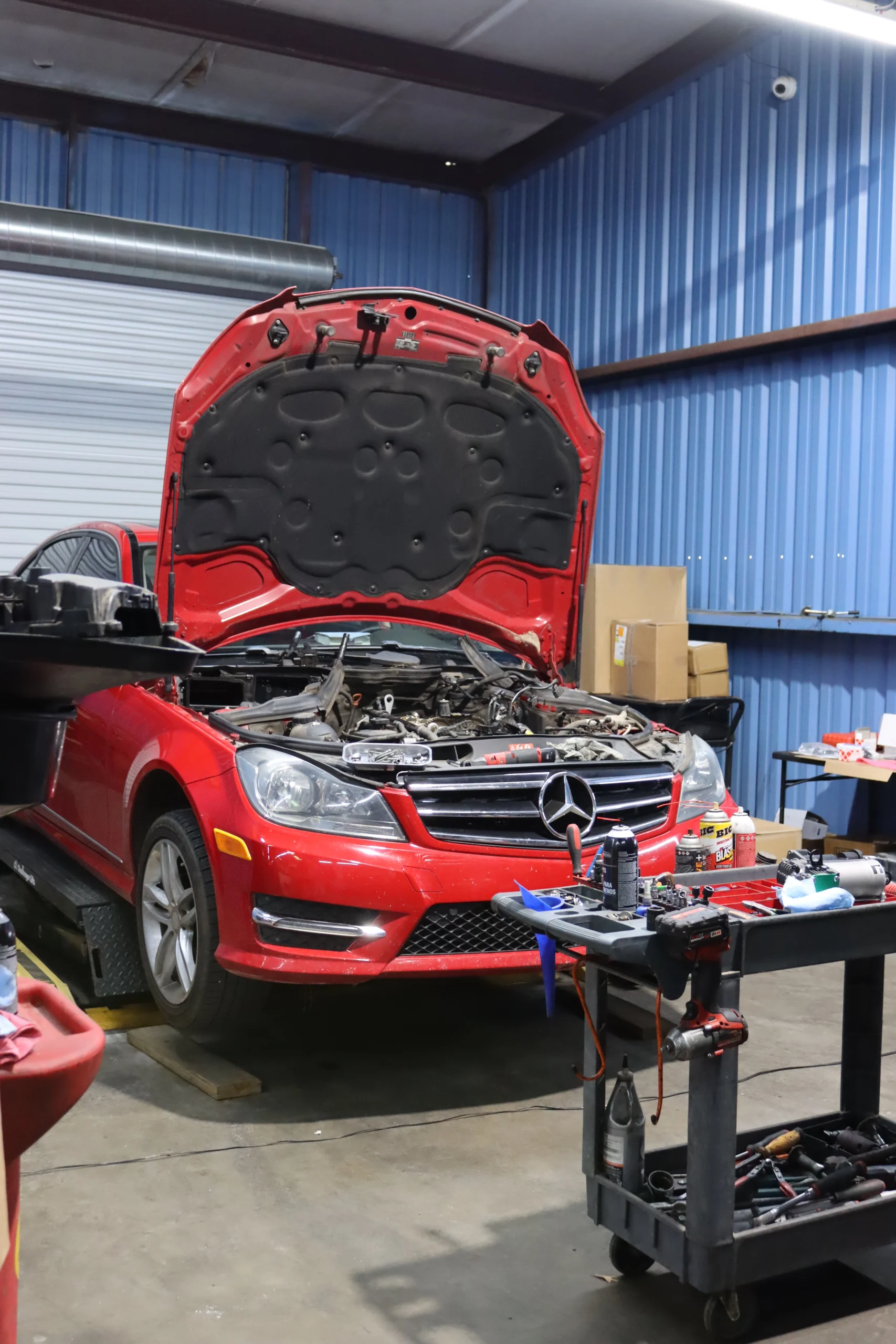
What We Inspect During a Belts & Hoses Check
Belts and hoses are inspected during routine maintenance, including oil changes. Preventive inspections help reduce the risk of roadside breakdowns and unexpected repair costs, especially in hot driving conditions common in this area.
Coolant Hoses
Description:
Coolant hoses include the upper radiator hose, lower radiator hose, heater hoses, and (on some engines) a bypass hose. They’re typically made from reinforced synthetic rubber designed to withstand heat, vibration, pressure, and cooling-system chemicals.
Purpose:
Coolant hoses provide flexible pathways for coolant to flow between the engine and radiator, and between the engine and heater core.
Coolant Hose Replacement
Types of Coolant Hoses We Replace
- Upper radiator hose
- Lower radiator hose
- Heater hoses
- Bypass hoses (when equipped)
These hoses are designed to handle heat, pressure, vibration, and cooling-system chemicals.
Warning Signs of Hose Problems
- Coolant smell
- Visible coolant leaks
- Overheating
- Low coolant levels
- Steam from under the hood
Hoses often fail at the ends or due to internal breakdown—even when the outside still looks normal.
Why Hoses Can Fail From the Inside
Coolant hoses can degrade internally as fine cracks develop in the inner lining. Over time, those cracks can lead to seepage, leaks, or sudden hose failure.
Replacement Guidelines
Coolant hoses should be inspected regularly and are often replaced about every four years (or sooner if wear is found). It’s also smart to replace hoses connected to cooling-system components being serviced—such as during heater core or radiator replacement.
Safety note: Never open a hot cooling system. Hot coolant can cause severe burns. Cooling-system service should be performed using proper procedures by a trained professional to avoid injury and trapped air pockets.
Timing Belt
Description:
Many modern engines use a timing belt, though some use a timing chain instead. Timing belts have largely replaced timing chains and often handle additional duties beyond basic valve timing. Because engine timing depends on precision, the belt’s teeth and spacing are molded to exact tolerances for consistent engagement and long service life. High-strength cords run lengthwise through the belt to provide tensile strength and resist stretching. Unlike a timing chain, a timing belt has essentially no stretch capability.
Purpose:
The timing belt keeps the crankshaft and camshaft synchronized so valve operation stays matched to piston position. On some engines, the belt also drives components such as the oil pump, water pump, and balance shafts.
Why Timing Belt Replacement Matters
The timing belt keeps the crankshaft and camshaft synchronized. If it fails, the engine can stop immediately and, in some cases, sustain internal damage. That’s why timing belt service is one of the most important scheduled maintenance items on vehicles equipped with a belt.
Timing Belt Replacement Intervals
Replacement intervals vary by manufacturer, with many recommending service around 60,000 miles. D&R Car Care follows manufacturer guidelines and can help confirm whether your vehicle is due for timing belt service.
During timing belt replacement, related components such as tensioners, pulleys, and (when applicable) the water pump may also be recommended to help prevent future failures and avoid repeat labor costs.
Drive Belts
Description:
Drive belts are made of reinforced, high-tensile strength cords and synthetic rubber. They connect to the engine and transfer power to accessories such as the air conditioning compressor, power steering pump, and alternator. There are two primary types: the V-belt (with a V-shaped cross-section) and the serpentine belt (also called Poly-V, Poly-Rib, Multi-Rib, or Micro-V), which uses multiple ribs for greater pulley contact. Serpentine belts are used on most modern vehicles.
Purpose:
Drive belts supply power to engine-mounted accessories, including the power steering pump, air conditioning compressor, mechanical cooling fan, alternator, and air-injection pump.
Drive Belt Repair & Replacement
Types of Car Belts We Service
Most vehicles today use a serpentine belt that drives multiple engine accessories. Some older or specialty vehicles may still use V-belts. These belts may power components such as:
- Alternator
- Power steering pump
- Air conditioning compressor
- Mechanical cooling fan
Because a single belt often powers several systems, its condition is critical to overall vehicle performance.
Common Signs of a Worn or Slipping Drive Belt
- Squealing, chirping, or slapping noise from under the hood
- Burning rubber smell
- Battery or charging warning light
- Loss of power steering assist
- Air conditioning not working properly
These symptoms often indicate belt wear, improper tension, or contamination.
What Causes Premature Belt Wear
Belts can wear out more quickly due to:
- Low or incorrect belt tension
- Oil or coolant leaking onto the belt
- Misaligned pulleys or worn tensioners
- Incorrect belt installation or improper sizing
If contamination is present, the source of the leak should be corrected before replacing the belt to ensure the new belt lasts.
When to Replace a Drive Belt
Many belts last tens of thousands of miles, but replacement timing depends on driving conditions and inspection results. If a serpentine belt shows excessive cracking, rib damage, fraying, or material loss, replacement is recommended before failure occurs.
Schedule Belt & Hose Service Today
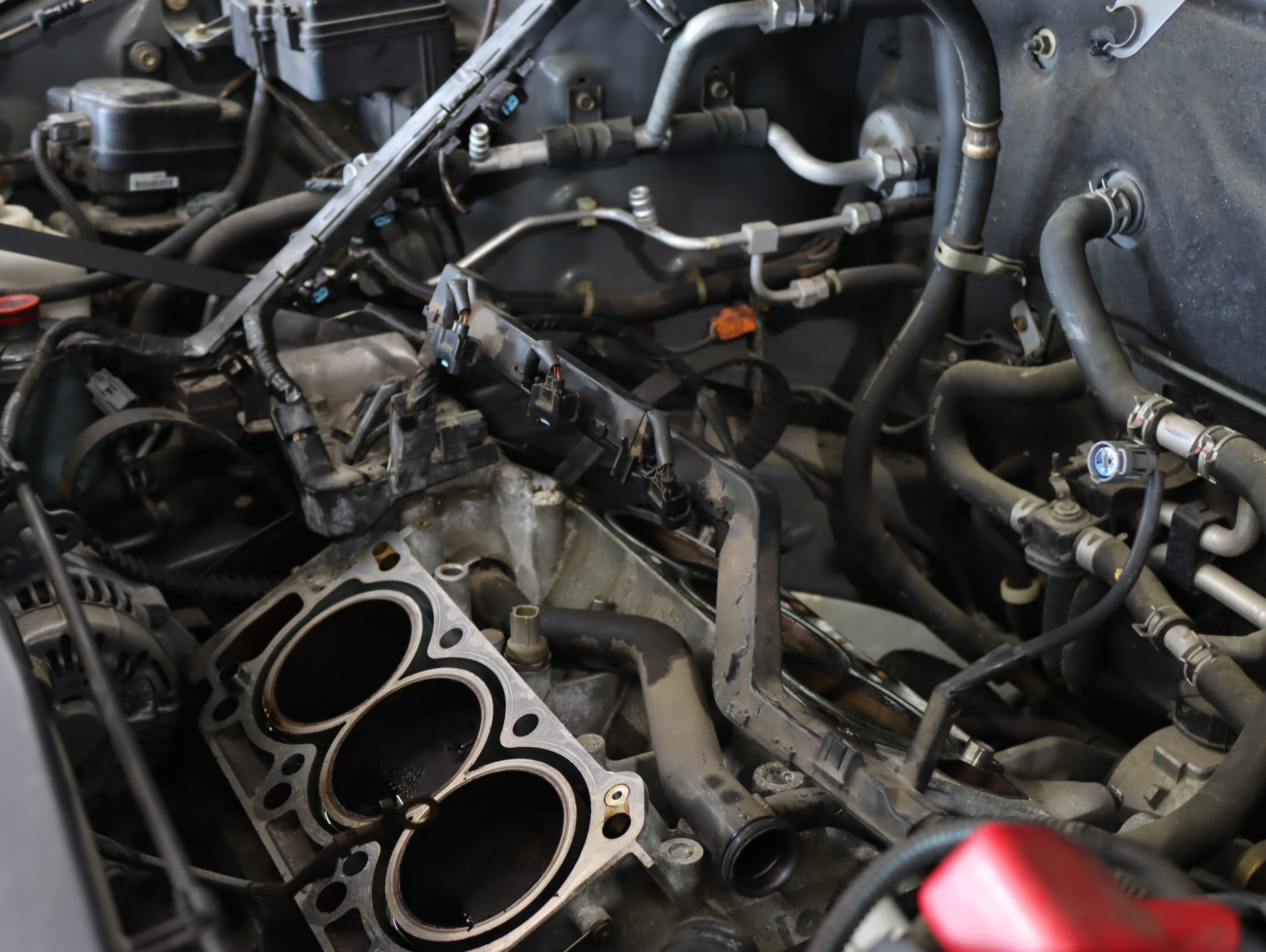
If you’re hearing unusual noises, noticing coolant loss, or want a preventive belts and hoses inspection, D & R Car Care is here to help. We provide clear recommendations to ensure your car runs smoothly year-round.